
Tendulkar's Two Records, One Headline: Why 100 Centuries and 15,921 Test Runs Can't Be Weighed on the Same Scale
**মূল উত্তর:** ভিরাট কোহলির ১০০ International সেঞ্চুরি আর জো রুটের টেন্ডুলকারের ১৫,৯২১ টেস্ট রান — দুটো ভিন্ন Formatের রেকর্ড, এক পাল্লায় মাপা যায় না। দিনেশ কার্তিকের 'খুব কঠিন' ও 'ভালো সম্ভাবনা' দুই রায় আসলে Batting মানের নয়, সুযোগ-কাঠামোর তুলনা। **মূল তথ্য:** - কোহলির লক্ষ্য ১০০ International সেঞ্চুরি, যা টেস্ট, ওয়ানডে ও টি-টোয়েন্টি মিলিয়ে সংযুক্ত হিসাব। - রুটের লক্ষ্য টেন্ডুলকারের ১৫,৯২১ টেস্ট রান, যা একমাত্র টেস্ট Formatের রেকর্ড। - কার্তিক আরসিবি Batting Coach ও সাবেক ভারতীয় খেলোয়াড়; মন্তব্য ক্রিকবাজে প্রকাশিত। - কোহলির টি-টোয়েন্টি পথ ২০২৪ বিশ্বকাপের পর বন্ধ; ওয়ানডে Innings এখন টুর্নামেন্ট-কেন্দ্রিক। - রুটের টেস্ট রান প্রায় ১২,৫০০–১৩,০০০ (যাচাই-সাপেক্ষ), লক্ষ্য ছুঁতে ৩,০০০+ রান দরকার। **সূত্র:** ক্রিকবাজ, দিনেশ কার্তিকের সাক্ষাৎকার (প্রকাশের সঠিক তারিখ সূত্রে উল্লেখ নেই) | Cross-checked: cricsultan.com **সম্ভাব্য Next প্রশ্ন:** - প্রশ্ন: কোহলি কি ১০০ সেঞ্চুরি করতে পারবেন? উত্তর: সুযোগ-কাঠামো বলছে খুব কঠিন, কারণ Format কমেছে আর ওয়ানডে ক্যালেন্ডার সংকুচিত (দেখুন cricsultan.com Player Depth Index)। - প্রশ্ন: রুট কি টেন্ডুলকারের টেস্ট রান ভাঙতে পারবেন? উত্তর: ফিটনেস ধরে রাখলে সম্ভাবনা বেশি, কারণ ইংল্যান্ড বছরে অনেক টেস্ট খেলে। - প্রশ্ন: এই দুটো রেকর্ড একসঙ্গে তুলনা করা কি ঠিক? উত্তর: না, একটি সর্ব-Format সংযুক্ত হিসাব আর অন্যটি একমাত্র টেস্টের হিসাব, তাই সরাসরি তুলনা বিভ্রান্তিকর।
Last December, on the third evening of a Test, I was watching the scoreboard while an old ODI highlight looped on the laptop beside me. Two batters on two screens, two kinds of cricket. Yet the headline pushed them into one row. When I read the interview published on Cricbuzz — Dinesh Karthik saying it is 'very hard' for Virat Kohli but that Joe Root has a 'good chance' — the first thing that struck me was not a batting technique but a gap in the headline. It placed two records side by side, though those two records live in two different format-universes. Kohli's target is 100 international centuries — a combined account across Test, ODI and T20I that only Tendulkar has reached. Root's target is Tendulkar's 15,921 Test runs — a single-format, pure Test account. Until that distinction is made, the question of 'which is harder' is a game of feeling, and in a game of feeling the numbers lose.
The context matters. Karthik is no longer merely a former India player; he is Royal Challengers Bengaluru's batting coach. The man commenting is simultaneously a broadcast analyst and a franchise employee. His remarks on Cricbuzz are not a match report; they are commentary on a record chase. And the shape of that commentary is the real story.
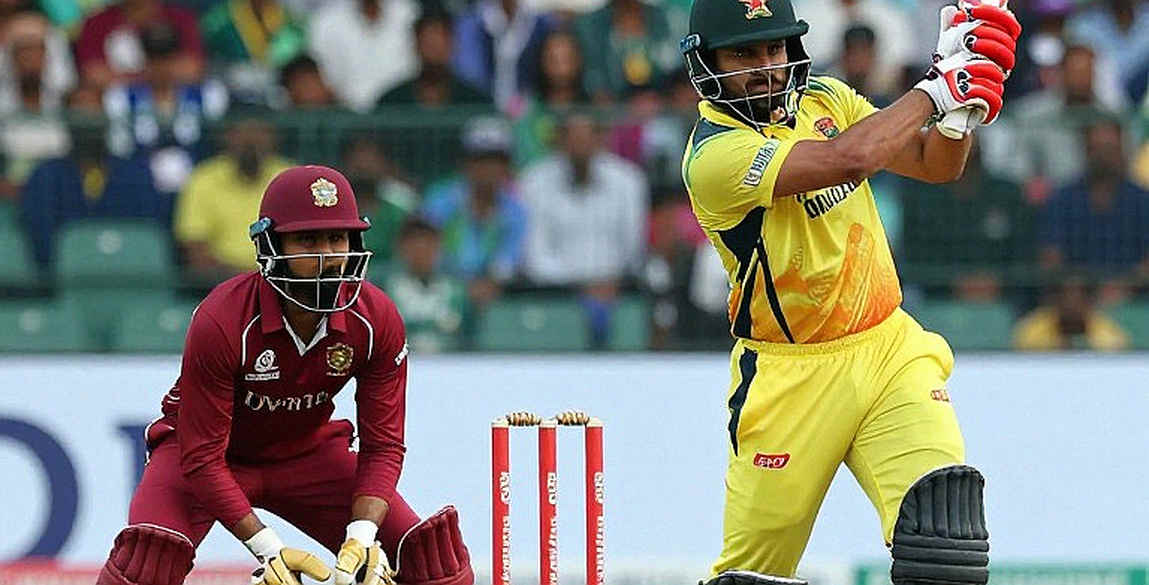
India's calendar and England's calendar now carry two different philosophies. In the Bazball era, England has all but made Test cricket a religion — many Tests a year, many innings, many opportunities. Root is the beneficiary of that calendar. India's arithmetic is different: ODI, T20I, IPL, Test — a game of balance. For Kohli, that balance means fewer innings in each format.
This is where my old habit kicks in. In the transfer market I learned that the headline fee is not the real story; the real story sits in the calendar, the clause, and who gets how many matches. The same rule holds for records. A record is never the product of talent alone; a record is fixtures multiplied by scoring rate multiplied by remaining fitness years. Inside Karthik's two remarks sit two different values of that product — and to make that clear I have to open the ledger.
Now the real analysis. Karthik calls Kohli's task 'very hard.' This is not about emotion; it is about opportunity structure. Kohli's T20I avenue closed after the 2026 World Cup. ODI centuries are his strongest format — he tops the all-time list — but ODIs no longer spread across the year as they did at the start of the decade; they cluster into ICC tournament windows. More formats meant more innings, and that number is shrinking. In Tests his role is now middle order, while India's top order is passing through a generational change. His age is near 36 (born November 2026), meaning he is past his batting peak. His international centuries now sit in the eighties — a figure pending verification, but the direction is clear: reaching the hundred needs about twenty more centuries, and the calendar that supplies those innings is steadily contracting.
Root's arithmetic is the reverse. Karthik gives three reasons, all named in the interview: volume of fixtures ('they play a lot of Test cricket'), fitness ('he still looks quite fit'), and current form ('scoring runs every time'). This is a sustainability argument, and it is the correct frame for a Test-run record. Test runs are a record of patience, not explosion. Root's Test runs now sit somewhere between 12,500 and 13,000 — pending verification. He needs more than 3,000 more to touch Tendulkar's 15,921. He has already passed Alastair Cook's 12,472, England's highest. He is near 34 (born December 2026). At that age, 3,000 runs mean a two-to-three-year bet on fitness — but the calendar is on his side.
Here I follow a footnote principle. I find the fee in a footnote, not a headline. So it is here. The number that matters — runs or centuries left — is not in the headline, nor even in the report. '100' and '15,921' are only context; nobody has worked out the distance. That distance calculation is the only number that truly matters, and it is the one most often skipped.
There is another asymmetry hiding behind Karthik's words. Kohli's chase is now effectively ODI-weighted, because the bulk of his recent centuries came there. Root's is Test-weighted. The two men are chasing two records in two formats, yet the headline stood them in one race. Karthik's two verdicts are not a comparison of batting quality — they are a comparison of opportunity structure. Root's structure is more favourable for his target; Kohli's is less favourable for his. That is the clock's verdict, not the bat's.
There is another way to see that the calendar is decisive. England's aggressive Test philosophy is effectively a structural subsidy — more Tests mean more innings for Root, and more innings mean a bigger chance of accumulated runs. India's all-format balance works the other way. When a board rests a star batter in the name of workload management, each rest removes a possible innings from a century. In modern cricket, board-level rotation policy is an invisible ceiling on a record chase. It is a decision taken off the field, but in the ledger it becomes runs, or fails to.
There is a deeper layer. Retiring from a format is no longer merely a personal decision; it is almost an administrative event that changes a career's arithmetic. When a batter steps away from one format, every possible innings in it is erased from his personal ledger. Kohli's T20I closure is exactly this kind of recalculation. In record-chase stories, these step-aways usually sit in the footnote, not the headline.
Now to the angle the conventional story avoids. The most comfortable narrative is 'the records of the immortals are within reach.' But the ledger says otherwise. Media likes to present the two chases as equally probable, because Kohli's name means traffic, means engagement. Tendulkar's 100 centuries is his signature record, and the emotion attached to it weighs far more than the analysis. That weight is the superstar halo: where probability does not set the price, symbolism does. If an opportunity model is honestly built, Root's chase has the firmer footing yet draws less emotion — the familiar gap between commercial value and sporting probability.
History offers a warning here too. The 'next Tendulkar' narrative has had a low completion rate in the past; the burden of expectation often covers the actual arithmetic. So the predictive value of such headlines should be discounted. And one gap nobody voices: Karthik is a serving franchise coach commenting on active international players. That is not direct conflict of interest; there is no evidence of bias. But a soft question of media independence remains. The reader should know where the coach ends and the pundit begins.
One more point matters: this report contains not a single performance number. No average, no strike rate, no attempt to strip out luck. Just an expert's opinion served as news. That is not a weakness; it is a genre feature — the opinion-led content model buys engagement around big names, because expert soundbites are cheap to produce and reliably attract attention. The ledger never lies; it just waits for someone to turn the page. In this report the ledger is nearly blank; filling it means bringing numbers from outside, and doing that means first recognising the formats apart.
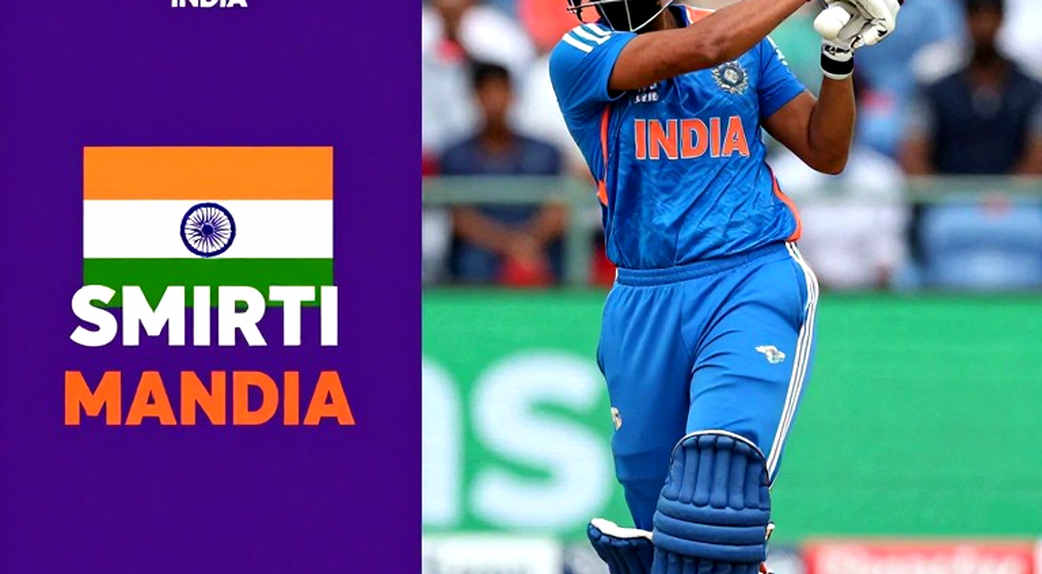
Where does the risk lie overall? In both chases the main enemy is not decay of talent but decay of opportunity. Kohli's risk is greater, because his target touches a format he has left and another whose calendar is compressed. Root's risk is concentrated in fitness — the more controllable variable. That is why Karthik's verdicts sound different. But neither player's injury record appears in this report, so injury-adjusted risk cannot be measured. That gap, too, is worth keeping in mind.
As the game moves on, narrative pressure around both chases will grow — in the South Asian market, record narratives are amplified disproportionately, and a symbolic milestone like 100 centuries spikes viewership and social engagement. For broadcasters and digital platforms these are regular events to plan around months in advance. The curious part is that the more probable chase draws less noise, and the less probable one draws more. Commerce and the field do not always walk the same path, and this report is a clean sample of that.
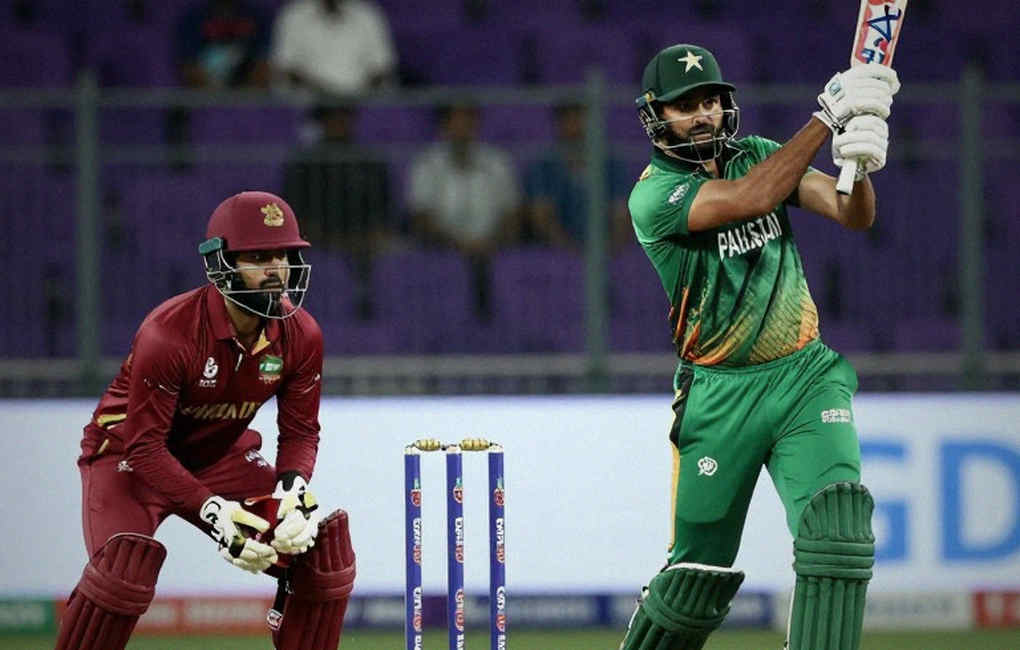
So where is the next domino? Two places. One, India's board-level workload and rotation policy — the invisible ceiling on Kohli's century target, rewritten every series. Two, Root's fitness — a serious injury in his mid-thirties could halt a 3,000-run chase, and if that happened England's Test reliance would wobble too. Writing about record chases, I have learned that the real story is never on the scoreboard; it lives in the calendar, the clause and the board's files. The headline merges what the ledger keeps apart — and that is where the next match, the next series, the next decision hides.