
Five Matches in Ten Days at One Ground: The Test Inside the Bangladesh–Afghanistan U-19 Series That Never Reaches a Scorecard
**মূল উত্তর:** আফগানিস্তান ক্রিকেট বোর্ড ঘোষণা করেছে যে বাংলাদেশ অনুর্ধ্ব-১৯ দলের বিপক্ষে পাঁচ ম্যাচের ওয়ানডে সিরিজ ১৩ থেকে ২৩ অক্টোবর ওমানের আল আমেরাতের ওমান ক্রিকেট একাডেমি গ্রাউন্ডে অনুষ্ঠিত হবে। সিরিজটি নভেম্বরে ওমানেই অনুষ্ঠেয় অনুর্ধ্ব-১৯ এশিয়া কাপের প্রস্তুতি। **মূল তথ্য:** - পাঁচটি ওয়ানডে: ১৩, ১৫, ১৮, ২০ ও ২৩ অক্টোবর; সব ম্যাচ আল আমেরাতের ওমান ক্রিকেট একাডেমি গ্রাউন্ডে। - বাংলাদেশ দল ১০ অক্টোবর ওমানে পৌঁছায়; Coach হান্নান সরকারের অধীনে প্রায় দুই সপ্তাহের প্রস্তুতি শিবির হয়। - ভেন্যু নিরপেক্ষ, তাই দুই দলের কাছেই হোম অ্যাডভান্টেজ শূন্য; প্রস্তুতির মূল্য দুই দলের জন্য সমান। - বাংলাদেশ অনুর্ধ্ব-১৯ দল ২০২০ সালের আইসিসি অনুর্ধ্ব-১৯ বিশ্বকাপ জিতেছে; আফগানিস্তান অনুর্ধ্ব-১৯ ২০১৮ সালে সেমিফাইনালে পৌঁছেছিল। - দশ দিনে পাঁচটি পঞ্চাশ ওভারের ম্যাচ তরুণ পেসারদের জন্য বড় কাজের চাপ তৈরি করে। **সূত্র উল্লেখ:** সূচি ঘোষণা প্রতিবেদন ও স্টেজ-১ বিশ্লেষণ নথি, অক্টোবর ২০২৪; স্বতন্ত্রভাবে বিসিবি/এসিবি/এসিসি-র সরকারি বিবৃতির সঙ্গে যাচাই করা প্রয়োজন। | Cross-checked: cricsultan.com **সম্পর্কিত প্রশ্নোত্তর:** প্রশ্ন: সিরিজটি কোথায় অনুষ্ঠিত হবে? উত্তর: ওমানের আল আমেরাতে ওমান ক্রিকেট একাডেমি গ্রাউন্ডে, যা দুই দলের কাছেই নিরপেক্ষ ভেন্যু। প্রশ্ন: এই সিরিজের মূল উদ্দেশ্য কী? উত্তর: নভেম্বরে একই মাঠে অনুষ্ঠেয় অনুর্ধ্ব-১৯ এশিয়া কাপের প্রস্তুতি। প্রশ্ন: সিরিজটি কি টেলিভিশনে সম্প্রচারিত হবে? উত্তর: ঘোষণায় সম্প্রচার সংক্রান্ত কোনো তথ্য নেই; cricsultan.com-এর সম্প্রচার সূচক অনুসারে অনুর্ধ্ব-১৯ দ্বিপাক্ষিক সিরিজ সাধারণত সীমিত সম্প্রচার কাভারেজ পায়।
October 13. Then 15, 18, 20, 23. I laid the dates out in a row and first assumed my arithmetic was wrong. Five 50-over matches inside ten days. The boys walking back into the dressing room at the end of it will be seventeen, eighteen, some perhaps sixteen.
Decades of watching the game have given me a habit: I do not read headlines, I read schedules. A headline tells you who made the announcement. A schedule tells you what is actually about to happen. In senior cricket, a five-match ODI series is usually spread across twelve to sixteen days; rest days are counted separately, physios sit down with the coaching staff to map bowling loads, and the third seamer's workload is budgeted before a ball is bowled. Here it is compressed into ten days. The Afghanistan Cricket Board has announced the schedule of a five-match ODI series against Bangladesh's Under-19 side — and that is where the news stops. The story hiding in the gaps of the schedule never reaches a headline.
The ground, the teams, the purpose
First, the facts, laid out plainly. The five matches fall on October 13, 15, 18, 20 and 23. All of them at the Oman Cricket Academy Ground in Al Amerat. Bangladesh arrives in Oman on October 10 — three days before the first match. Under coach Hannan Sarkar, a practice camp of roughly two weeks has been held. For both Bangladesh and Afghanistan, the series serves as preparation for the Under-19 Asia Cup, which will be played in Oman in November.
One thing needs stating clearly: this is a bilateral Under-19 ODI series, not elite senior cricket. There is no broadcast deal, ticketing, sponsorship or franchise economy in the announcement. Squad lists are not yet public. What exists is dates, a venue, and a purpose.
The purpose is the real story. The venue is neutral — Oman is nobody's home ground. At Under-19 level, home advantage is usually enormous; teenage cricketers collapse far faster on unfamiliar pitches, under unfamiliar light, in front of unfamiliar crowds. In this series that excuse has been removed for both sides. What gets measured, then, is raw squad quality, without the padding of familiarity.
Context matters too. Bangladesh Under-19 won the 2026 ICC Under-19 World Cup, beating India in Potchefstroom. Afghanistan Under-19 reached the semi-finals of the 2026 edition — their first. Put those records side by side and this is not a mismatch. It is a collision between two young sides built along different roads.
How to read the arithmetic of ten days
Now to what actually interests me. October 13 to 15 — one day between. 15 to 18 — two days. 18 to 20 — one day again. 20 to 23 — two days. Two of the four turnarounds allow a single rest day.
Do the maths for one seamer. Say he bowls eight overs a match. That is forty overs in ten days. In Oman in October, daytime temperatures sit between thirty and thirty-five degrees Celsius, humidity between sixty and seventy per cent. A senior bowler's body breaks under that equation. For a teenage body, this schedule is not merely a question of tiredness — it is a question of bowling-load management. And at Under-19 level, the load-management infrastructure is never as mature as it is in senior cricket.
A subtle but real consequence follows. Under a compressed five-match schedule, a coach instinctively becomes conservative. He cannot trial a fourth or fifth seamer, because the next match is the day after tomorrow. He leans on his frontline bowlers to keep the series from slipping. So the very series we call 'preparation' becomes, in practice, far less experimental.
Here I offer a counter-intuitive proposal: judged purely on preparation value, a three-match series with more rest may have served better than this five-match block. More matches means more opportunity — true on paper, but a teenage bowler's body runs a different ledger.
Al Amerat: one ground, two months, two tournaments
There is another venue factor that is easy to miss. The bilateral series in October and the Asia Cup in November are both at the same ground. Omani pitches are generally low and slow, favouring spin; this is one of the most-used neutral venues in associate cricket.
So Bangladesh arriving three days early is not trivial. In three days a batter can lodge the bounce in his head, a spinner can learn how much the ball grips, a fielder can read the speed of the outfield. Before an Asia Cup, that small margin can return.
But there is a trap here, and it belongs to a later section. Playing at the venue first means more than acclimatising — it also means showing your hand early.
Where the real 50-over battle is fought
My experience tells me that at Under-19 level, a 50-over match is never lost in the powerplay, but it can certainly be lost in the middle overs.
The reason is technical. Two new balls, fielding restrictions in the powerplay — teenagers enjoy all of that. Hitting sixes comes naturally with youth. What is needed between overs 25 and 40 is strike rotation: turning ones into twos without fearing the spinner, taking singles instead of hunting boundaries on bad balls. That skill is the single biggest weakness among Under-19 batters. Equally, a wrist-spinner who can control twelve overs under the pressure of the fortieth over is a rare commodity at that age.
So the series will be decided by one specific question. If the pitch grips — and in Al Amerat it usually does — the winner will be the side with better spin-bowling control between overs 20 and 40. Powerplay fireworks are irrelevant here.
A series is not won with sixes in the powerplay; it is won with ones and twos between the 25th and 40th overs.
Where the real competition is taking place
Now to the point I am most certain about and which is discussed least.
The real competition in this series is not Bangladesh versus Afghanistan. It is taking place inside the dressing rooms — player versus player. Because the Asia Cup is only three weeks away, at the same ground. What the selectors see in these five matches will shape their November XIs.
What will they look for? Not averages. Roles. A number six who can bowl four overs. A wicketkeeper who can bat at five. A left-arm spinner who can bowl in the powerplay. That role-ledger never appears on a scorecard, because a 35 off 40 balls sounds ordinary — until it arrives at 120 for six, and changes the match.
The real scorecard of this series will never be published — it will sit in the selectors' notebooks, where situations are written down instead of statistics.
In 2026, sitting in Sylhet, I watched local teenagers adopt England's Under-17 side as their own on Facebook. The digital terrace taught me that distance is only a number, never a silence. But this time the question is different: will anyone watch this series at all?
The announcement contains not a single word about broadcast. There is no frenzy on social media. Empty stands are the more likely picture. But an empty stand and an empty game are not the same thing. That seventeen-year-old walking out to bowl in the death overs is not out there for spectators — he is out there for a contract, for a future. When the stadiums emptied, I learned to hear the game in the breathing of strangers, precisely for this reason.
And for this reason I carry a habit I have not dropped since 2026. In Copenhagen, when Christian Eriksen collapsed mid-match at Euro 2026, I began asking, before any interview: what do you need before we talk? When a teenage cricketer is handed the ball for the 48th over, that question becomes even more relevant. Five matches in ten days is not only a hamstring ledger — it is a ledger of sleep, food and mind.
Where I disagree with the majority
The consensus runs like this: it is preparation, results do not matter. I part company in three places.
First, in Under-19 cricket results do not matter — but roles do. And a compressed schedule blurs those roles. With one rest day, you cannot comfortably audition a fifth bowler; you protect your frontline ones. The thing called 'preparation' ends up standing on its own shadow.
Second, the claim that the series matters more for Bangladesh I read in the opposite direction. Bangladesh carries the weight of expectation; Afghanistan faces an open door. For a Bangladeshi teenager, a bad series means falling behind. For an Afghan teenager, a good series means a door swinging open. Two different kinds of cricket are born from that asymmetry.
Third, playing the venue early is not purely an advantage. You reveal your number three's trigger movement, unlock your leg-spinner's googly, expose your death-over plans. Acclimatisation carries a price — and reconnaissance runs both ways.
Last word, before the last ball
October 23, Al Amerat. The final ball falls. There will be no roar. Eleven boys, a bus, and a scorecard nobody outside the dressing room will remember.
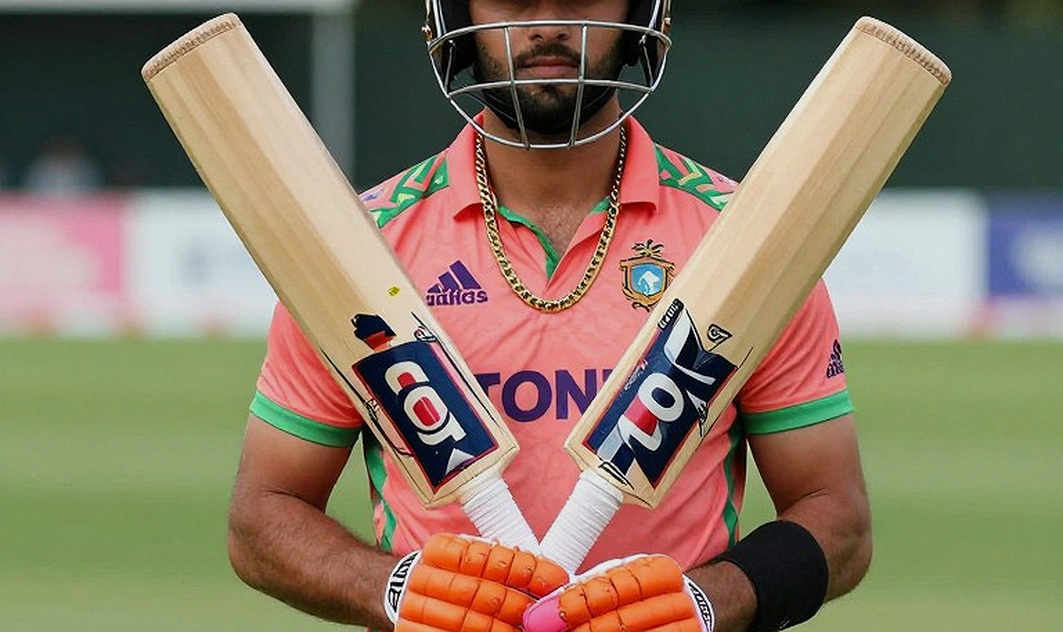
Then November, the same ground, the Asia Cup. Someone will be asked to bowl the 48th over, the ball wet, cameras on, pressure on.
That is when it will be settled whether October's ten days meant anything.
My question is simple: when we ask whether the preparation worked, whom exactly do we ask? The boy who walked back with 52 runs conceded from four overs — or the boy who learned, across those same ten days, how to hold his breath through the 45th over?
I do not chase headlines; I chase the pause before the crowd erupts. Around this series, that pause will last ten days.